
Global Climate Impacts: World Cup Heat, Warming Waters, Disease Risk, and Health Strain Across North America, Central Africa, and the Middle East
Climate change is affecting World Cup conditions, oyster safety, northern fisheries, Ebola risk, heat mortality, and the health workers preparing for these risks.

Extreme heat, warming waters, shifting ecosystems, and disease risks are affecting sports, food systems, public health, and health care across the areas featured here. When the 2026 World Cup kicks off across Mexico, the United States, and Canada, hotter conditions could affect players, fans, and workers in and around open-air stadiums. Farther north, warming waters are increasing food-safety and market risks for Atlantic Canada’s oyster industry and changing the algae that support fish in some of Canada’s largest cold lakes. In the Democratic Republic of the Congo and Uganda, climate change can increase Ebola spillover risk as conflict, displacement, and strained health systems make outbreaks harder to contain. And in Kuwait and Türkiye, extreme heat and changing health risks are adding pressure to workers, nurses, medical training, and patient care.
Need to read this in a language other than English? Try OpenL (up to 1,500 characters) or Google Translate—both offer free translations into 100+ languages.
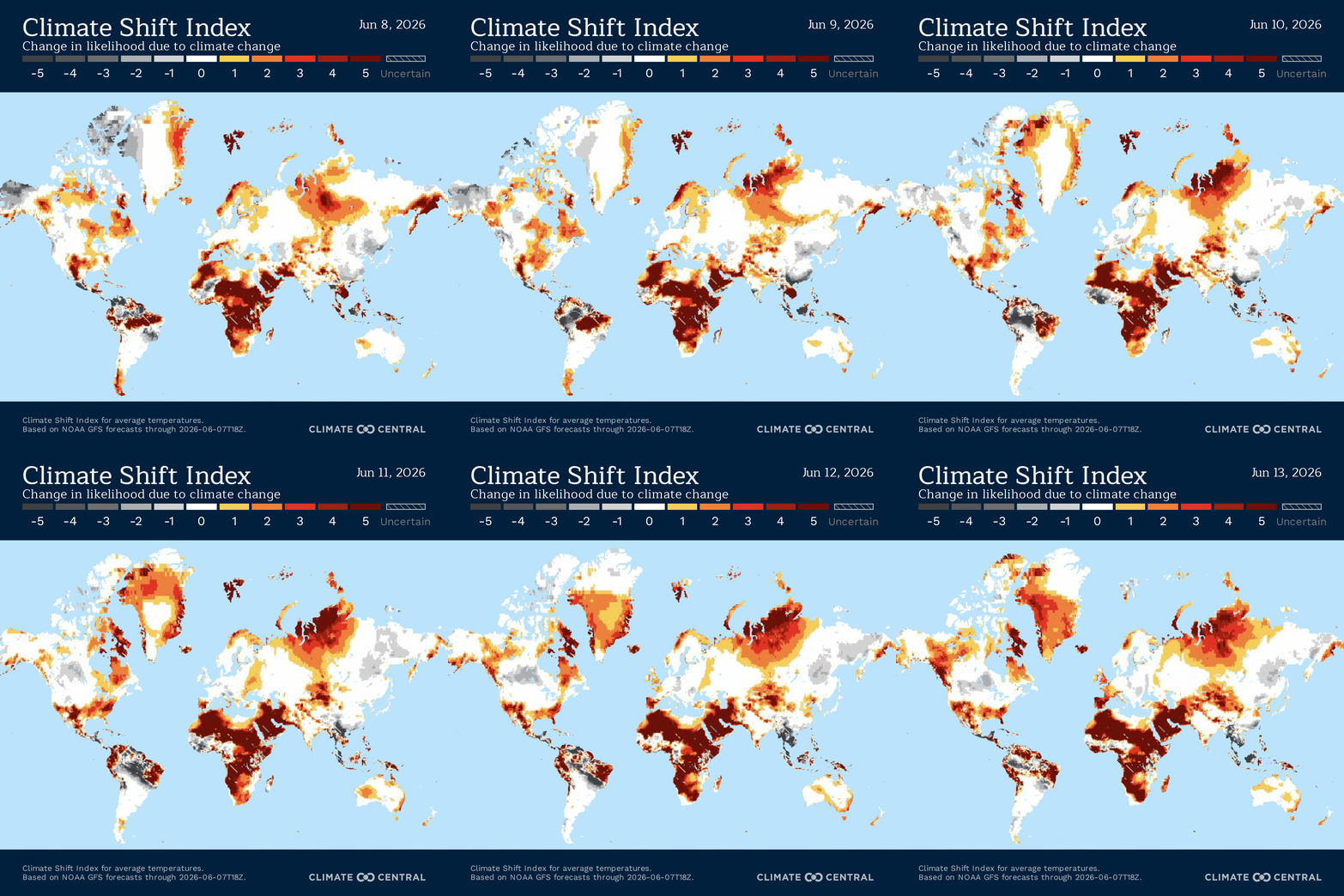
Mexico, United States, Canada
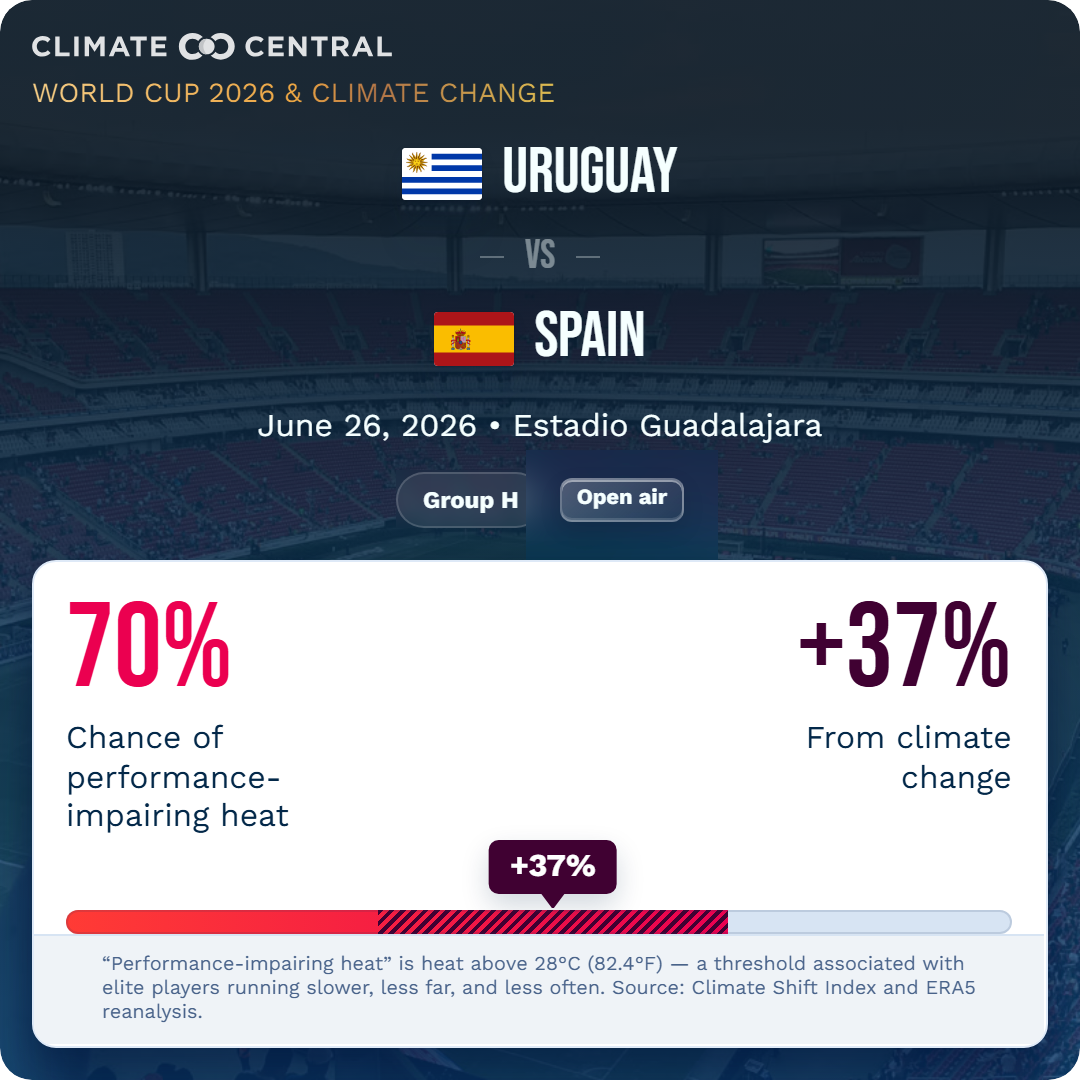
Climate change is increasing the chance that World Cup players will face heat that can slow the pace of play — The 2026 World Cup will be played across Mexico, the United States, and Canada from June 11 to July 19, bringing 104 matches to 16 host cities during the hottest part of the year for many venues. That means heat can affect both competition and safety. A new analysis from Climate Central1 found that human-caused warming is increasing the likelihood of performance-impairing heat during 97 of the 104 scheduled matches, with nearly half of all matches facing at least a 50% chance of temperatures linked to reduced player performance. In 26 matches, climate change raises that likelihood by at least 10 percentage points. The largest climate-driven increase is projected for the June 26 match in Guadalajara between Uruguay and Spain, where the chance of performance-impairing heat is 70%, or 37 percentage points higher because of climate change. The final at MetLife Stadium in New Jersey also has a 47% chance of performance-impairing heat, about 17 percentage points higher because of climate change. Those risks will not be evenly distributed across the tournament. According to the data explorer, some matches in northern, coastal, or climate-controlled venues will face milder conditions, while open-air stadiums in hotter cities can expose players to heat that lingers into the evening even after the daily temperature has peaked. Organizers are already adjusting to rising heat risks with more evening matches in hotter cities and mandatory hydration breaks, but the tournament still depends heavily on outdoor venues where match timing, local climate, humidity, and stadium design can all shape how hard it is for players to sustain speed, pressure, and recovery over 90 minutes.
The threshold comes from research on players during the 2014 World Cup in Brazil, where physical activity changed under different combinations of air temperature and humidity. Football depends on repeated bursts of speed, high-intensity running, recovery, and decision-making under fatigue. In the 2014 data, hotter match conditions were linked with fewer sprints and less high-intensity movement, especially when temperatures rose above 28°C under lower-humidity conditions, while heat stress can affect concentration, movement precision, dehydration, and the body’s ability to cool itself. For teams that rely on pressing, quick transitions, repeated sprinting, or high attacking pace, hotter match conditions can shape more than comfort. They can affect how much ground players cover, how often they can accelerate, when coaches make substitutions, and whether teams have to conserve energy instead of playing at full intensity.
Player performance is only one part of the heat risk. Humid heat can make the same air temperature more dangerous because the body cools itself less effectively when sweat does not evaporate well. World Weather Attribution analyzed World Cup heat risk using Wet Bulb Globe Temperature, a measure that combines temperature, humidity, sun, and wind to better reflect heat stress during outdoor activity. FIFPRO recommends cooling breaks when WBGT reaches 26°C and says play should be delayed or postponed at 28°C, while current FIFA rules use a much higher postponement threshold. WWA found that more matches are expected to reach those humid-heat thresholds in 2026 than during the last U.S.-hosted World Cup in 1994, and that human-caused climate change has made dangerous WBGT conditions more likely. Players may be the most visible people exposed on the field, but fans, stadium workers, volunteers, security staff, and people gathering at outdoor watch parties can also face heat risk, especially in open-air venues and crowded public spaces. Air-conditioned stadiums can reduce exposure inside some venues, but they do not protect people traveling to matches, waiting outside, celebrating in streets, or watching games at outdoor events.
Warming waters are adding another threat to Atlantic Canada’s oyster industry — Oyster farmers in Nova Scotia, New Brunswick, and Prince Edward Island are already dealing with MSX and Dermo, two diseases that can slow oyster growth and increase mortality. Now, warmer waters in the Gulf of St. Lawrence are making a food-safety risk more common. A new study from Mount Allison University and the federal government found that Vibrio parahaemolyticus, a foodborne bacterium that can survive in shellfish during warm seasons, has become more prevalent over the last 25 years as the region’s waters have warmed. The bacteria does not harm oysters the way MSX and Dermo do, but it can make people sick if contaminated oysters are eaten raw, causing symptoms such as diarrhea, abdominal cramps, chills, vomiting, and low-grade fever. Researchers compared Canadian Food Inspection Agency oyster-testing data from 2017 to 2023 with water conditions going back 25 years and found that oysters in 2023 were up to 10% more likely to fail a food inspection quality test for Vibrio than they were in 1998.
Diseased oysters can reduce supply in the water, while Vibrio can force closures or keep harvested oysters from reaching the market during the same warm-season window when demand is high. Federal monitoring has helped prevent contaminated oysters from being sold, but warmer water means farmers may face more interruptions, more testing pressure, and more financial risk as they try to keep seafood safe. Because Vibrio is a food-safety problem rather than a disease that kills oysters, warming waters create pressure at a different point in the supply chain. Oysters may be alive and harvestable, but testing, closures, and market restrictions can still keep them from being sold. For farmers, that means climate change can affect income even when the oysters themselves survive.
Climate change is changing the algae that support fish in some of Canada’s largest northern lakes — Great Bear Lake, Great Slave Lake, and Lake Hazen are large, deep, cold lakes that were long buffered from rapid ecological change by their size and long periods of ice cover. That buffer is weakening as northern Canada warms. A 2026 study of lake sediment records found that all three lakes have undergone rapid changes in algal communities over the past few decades, after remaining relatively stable for much of the last century. Shorter ice-cover periods, warmer air temperatures, and declining wind speeds are changing the light, mixing, nutrients, and growing-season conditions that shape life in the water. Small planktonic diatoms that live in open water are becoming more common, while older algae communities have declined, including benthic algae in Great Bear Lake and Lake Hazen and large filamentous diatoms in Great Slave Lake.
More open-water algal production does not automatically mean more useful food for fish if the algae replacing older communities are smaller, less nutritious, or harder for zooplankton and other grazers to eat. In Great Bear Lake, phytoplankton help move energy through the food web to zooplankton, Cisco, and Lake Trout. Great Slave Lake supports commercial, recreational, and Indigenous fisheries, while Great Bear Lake is central to the culture and food systems of the Sahtúot’ine of Délınę. Lake Hazen has a simpler food web, but climate change is already making conditions harder for Arctic Char by lengthening ice-free periods, increasing glacial runoff, and adding turbidity that can make prey harder to see. The full effects on fish are still unfolding, but the lakes are no longer responding slowly or only at the surface. Warming is changing the organisms that feed the food web, and those changes can move upward toward the fish and northern communities that depend on them.
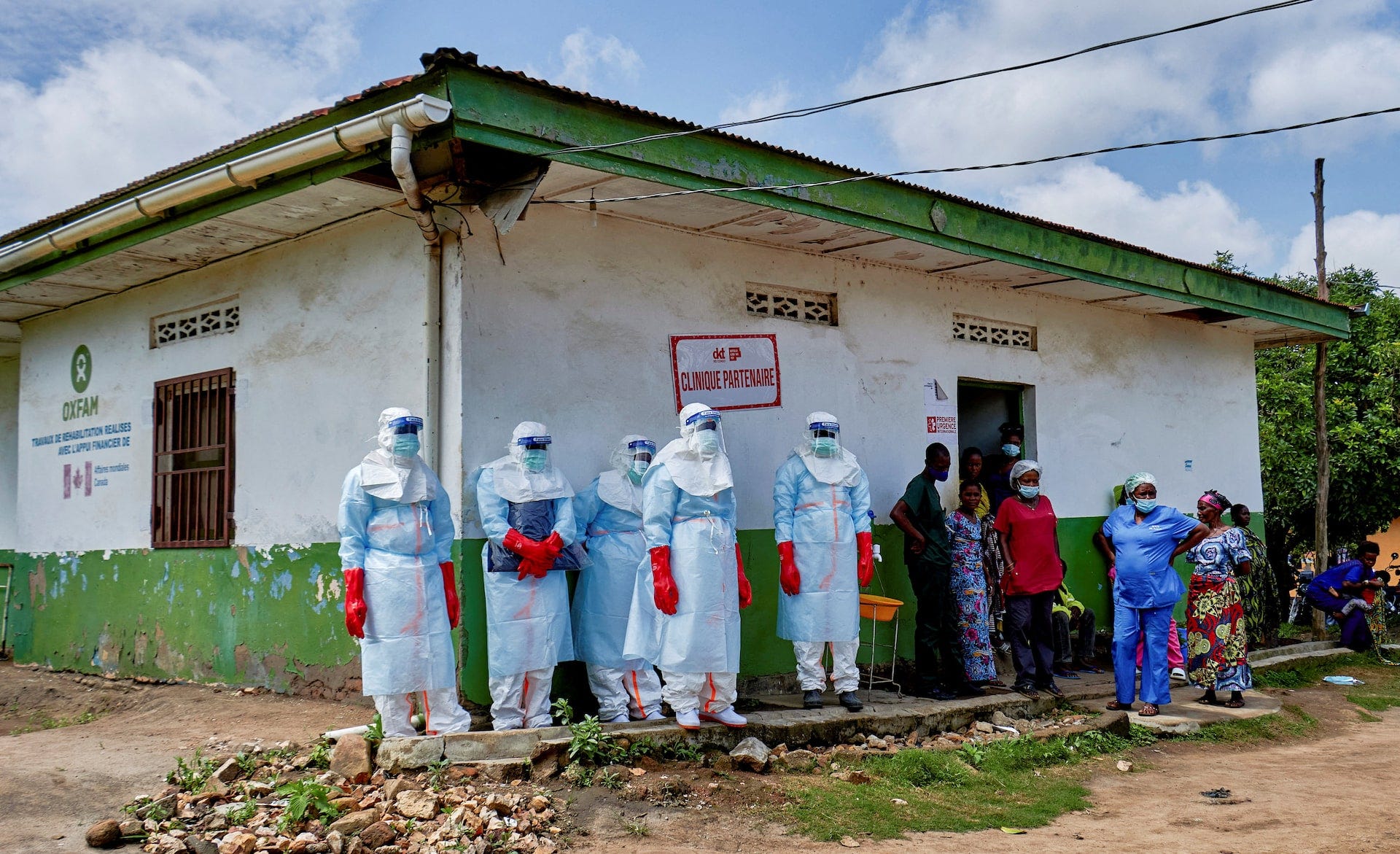
Democratic Republic of the Congo (DRC), Uganda
Climate change is driving ecosystem shifts and increasing Ebola spillover risk — Ebola virus disease (EVD) is one of the world’s deadliest infectious diseases. First identified in 1976 in Sudan and the Democratic Republic of the Congo (DRC), Ebola causes severe symptoms including high fever, vomiting, diarrhea, and organ failure, and in severe cases hemorrhaging. Fatality rates range from about 50% to 90%, depending on the viral strain and access to timely medical care. Although outbreaks are typically localized, transmission through direct contact with infected bodily fluids can allow rapid spread within communities, quickly overwhelming fragile healthcare systems and triggering widespread social and economic disruption. Several species of Old World fruit bats (family Pteropodidae) are thought to serve as natural reservoirs or amplifying hosts for Ebola virus. Zoonotic diseases, transmitted between animals and humans, account for more than 60% of emerging human infectious diseases. Although direct evidence is limited, these bats are widely regarded as the most likely source of Ebola “spillover” into humans. Human–bat interactions are common across Ebola-endemic regions of Central and West Africa, including the Democratic Republic of the Congo, Republic of the Congo, Gabon, Uganda, Guinea, Sierra Leone, and Liberia. Activities such as bushmeat hunting, fruit harvesting, and agricultural expansion increase spillover risk, a pressure now intensified by climate change. Rising temperatures, shifting rainfall patterns, prolonged droughts, deforestation, and habitat degradation are transforming ecosystems across Central and West Africa. As natural food sources become less reliable, fruit bats travel farther and increasingly come into contact with farms and human settlements, increasing opportunities for human–wildlife interaction. These ecological changes can influence Ebola spillover dynamics by altering wildlife behavior and movement patterns, particularly when episodes of heavy rainfall are followed by drought. In the Democratic Republic of the Congo, such environmental pressures are compounded by poverty, food insecurity, malnutrition, displacement, and weak public health infrastructure, creating conditions that can make outbreaks more likely and harder to contain.
Recent research published in Nature Communications suggests that climate change could significantly expand Ebola risk, with rising greenhouse gas emissions and warming temperatures potentially increasing the epidemic-prone area of West and Central Africa by up to 33% and expanding suitable conditions for spillover by nearly 15%, potentially exposing millions more people to future outbreaks.
Women disproportionately impacted by Ebola transmission dynamics in the DRC — Early data from Ebola outbreaks in the Democratic Republic of the Congo (DRC) show a clear gendered pattern of infection, with women accounting for roughly two-thirds of cases in some outbreaks, including the 2018–2019 epidemic, and up to three-quarters of deaths in parts of the 2014 Liberia outbreak. This disproportionate burden reflects the social roles women occupy as caregivers, healthcare workers, birth attendants, and traditional healers across Central and West Africa. Ebola transmission follows these social structures, spreading through caregiving, domestic labor, frontline health work, and burial practices. Women are often responsible for washing and caring for sick relatives without protective equipment and for preparing bodies for burial, placing them at heightened risk of exposure. Rigid gender norms reinforce these dynamics, while reliance on health services for prenatal and postnatal care can further increase exposure, with UN Women warning of elevated risks to maternal and neonatal health during outbreaks. The current Ebola outbreak caused by Bundibugyo virus further illustrates these intersecting vulnerabilities. As of June 7th, the Democratic Republic of the Congo (DRC) reported 515 confirmed cases and 91 confirmed deaths, including 134 new cases and 27 new deaths since the previous update on June 5th, with 283 patients currently isolated in hospital care. The outbreak is most concentrated in Ituri province, which accounts for 487 cases across 17 health zones. Uganda has also reported 19 confirmed cases, including two deaths, with most linked to travel from the DRC, highlighting ongoing cross-border transmission. The World Health Organization (WHO) has classified the outbreak as a public health emergency of international concern. The Bundibugyo strain of Ebola currently has no specifically approved treatment or vaccine.
Containment efforts remain severely challenged by overlapping diagnostic, political, and structural constraints. The Bundibugyo virus is not reliably detected by some field diagnostic tests, requiring samples to be transported long distances to specialized laboratories and causing delays of days or weeks. This lag ultimately leads to inefficient contact tracing and allows for transmission to persist undetected. Response efforts are further hindered by ongoing armed conflict in eastern DRC, which has driven displacement, restricted access to affected communities, and undermined trust in health authorities.
At the same time, major reductions in international humanitarian assistance since 2025 have weakened outbreak response capacity, including significant Trump administration-led cuts in U.S. foreign aid from approximately $1.4 billion in 2024 to $146 million in 2026—a near 90% decrease. These extreme reductions have constrained access to testing supplies, laboratory services, personal protective equipment, and trained response teams. Together, these compounding factors reduce surveillance capacity, delay diagnosis, and increase the likelihood that localized outbreaks will escalate into wider regional transmission.
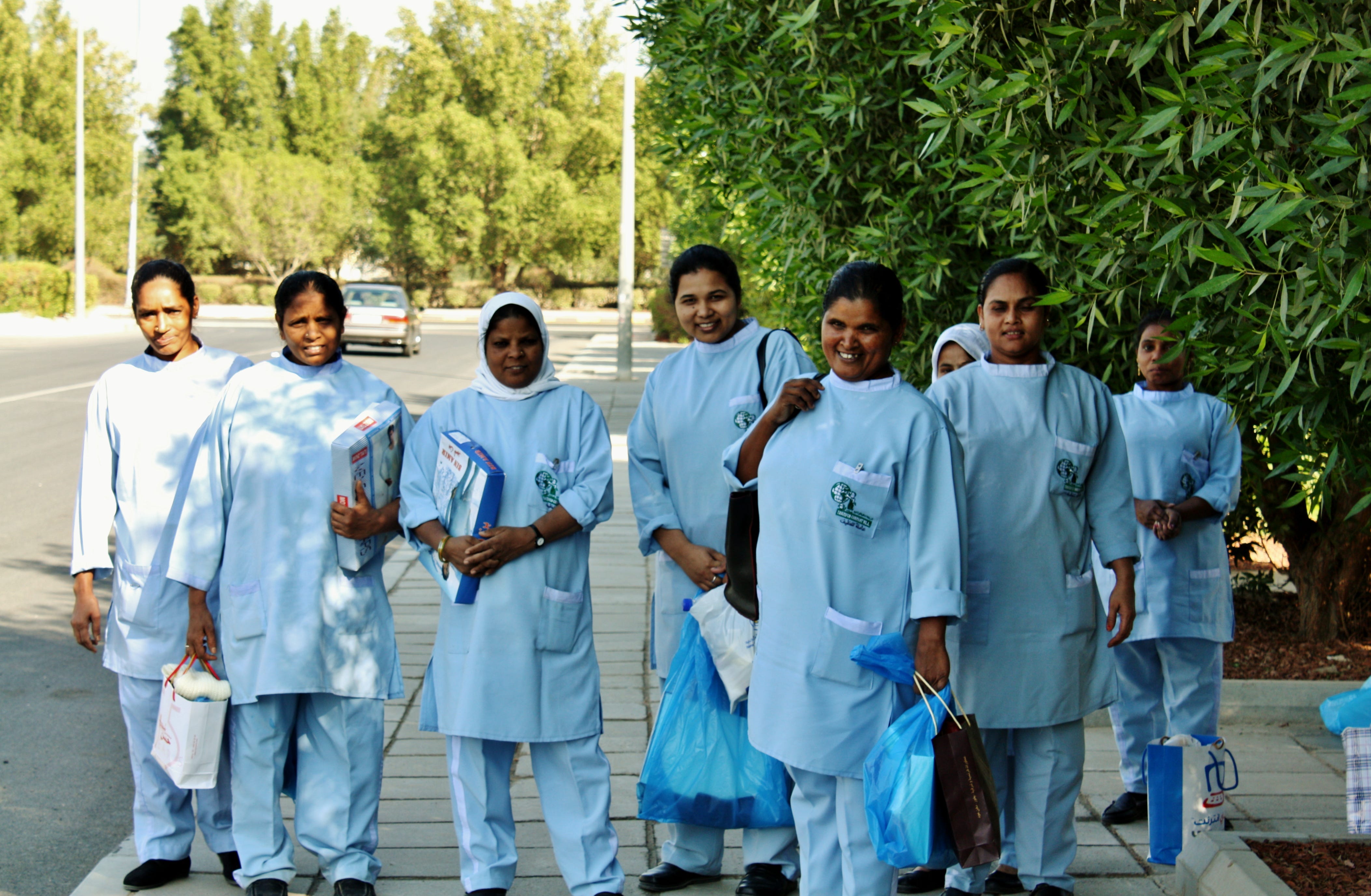
Kuwait, Türkiye
Extreme heat is expected to increase deaths in Kuwait, with migrant workers facing the greatest risk — Kuwait is already one of the hottest countries in the world, with temperatures above 50°C recorded in recent years and a 54°C reading measured in Mitribah in 2016. Kuwait’s extreme heat risk falls especially hard on people who cannot easily get out of the heat. About two-thirds of Kuwait’s population are non-Kuwaiti migrant workers, many from Arab, South Asian, and Southeast Asian countries, and many work outdoors or in hazardous jobs where heat exposure can be difficult to avoid. Previous research in Kuwait has linked extreme temperatures to a doubling or tripling of mortality risk, with unacclimatized migrant workers and people with cardiovascular disease among those at highest risk. A 2022 analysis projected how climate change could affect heat-related mortality in Kuwait later this century. Under a high-emissions scenario, Kuwait’s average temperature could rise by about 5.5°C by the end of the century compared with the early 2000s, pushing an already extreme climate farther into dangerous heat.
Heat-related mortality is projected to rise by 5.1% by the end of the century under the moderate scenario and 11.7% under the high-emissions scenario, while non-Kuwaiti residents could see a 15.1% increase in heat-related mortality under the high-emissions scenario. The study also estimated that by the end of the century, as many as 13.6 out of every 100 deaths in Kuwait could be attributable to climate-driven heat under the high-emissions pathway. Older adults, people with cardiovascular disease, and non-Kuwaiti residents showed significant increases in projected heat-related mortality, reflecting how heat risk falls hardest on people whose health, work, or housing conditions make it harder to avoid extreme temperatures. Migrant workers are especially exposed because many work long hours outdoors in extreme heat, often in jobs where avoiding heat is not fully under their control. The analysis assumed no future adaptation and held population structure constant, but Kuwait did not show the kind of flattening in the heat-mortality relationship seen in some U.S. cities. In more recent years of the Kuwait data, the heat-mortality curve was steeper, suggesting that deaths linked to extreme temperatures may be rising rather than easing over time. As Kuwait gets hotter, the added mortality burden is expected to fall most heavily on people already exposed by age, cardiovascular disease, or outdoor work.
Climate change is adding emotional and professional strain for nurses in Türkiye — Nurses are expected to help patients and communities respond to the health effects of climate change, but they are also carrying their own concerns about what those changes mean. A 2024 study of nurses at a university hospital in Türkiye found high levels of climate change worry, along with high levels of hope about preventing climate change. Among the 190 nurses surveyed, older nurses reported slightly higher levels of both worry and hope, and nurses who worried more about climate change also tended to report more hope rather than despair or withdrawal. Nurses are already dealing with the health consequences of a changing climate through their daily work, while also being expected to educate patients, prepare vulnerable groups, support mental health, and respond to health needs after extreme weather. Nurses may still feel motivated to act, but the concern itself can add to an already demanding job. Without institutional support, that worry can become another strain layered onto the work they are being asked to do.
Training is another part of that health workforce gap. A 2025 study of 622 medical students at a Turkish medical school found meaningful gaps in knowledge about skin cancer and the ways climate change affects skin health. Most students understood that UV exposure causes skin cancer, and about three-quarters acknowledged a link between climate change and rising skin cancer risk. But specific knowledge was considerably weaker. Only about a third correctly identified melanoma as the deadliest form of skin cancer, fewer than a fifth correctly named basal cell carcinoma as the most common type, and just over a third knew what sun protection factor actually measures. The gap between knowing and doing was also apparent. Nearly all students identified the most dangerous hours for sun exposure, but only about half reported avoiding that window, and almost two-thirds had experienced at least one sunburn. Female students scored higher on both knowledge scales and reported more sun-protective behaviors, though they also reported higher rates of sunburn. The study was conducted at a single institution using convenience sampling, which limits how broadly the findings apply, though the authors note that Türkiye’s standardized national medical curriculum makes some wider inference reasonable. As climate change affects UV exposure and skin-health risks, future clinicians who do not fully understand that connection may be less prepared to counsel patients on prevention.
We Would Love to Hear From You!
Have you noticed the impacts of climate change in your community? Whether it’s unusual weather patterns or disruptions in local ecosystems, we’d love to hear your thoughts. Share your experiences or observations in the comments below and join the conversation!
Your Feedback Matters
At Global Climate Dispatch, we strive to provide accurate and equitable coverage of climate change and its impacts. If you come across anything that seems inaccurate or concerning, please don’t hesitate to let us know. Your insights help us ensure that the information we share remains truthful, balanced, and relevant to all.
Locations featured are chosen based on data from Climate Central’s Climate Shift Index map. Some graphics used may also come from Climate Central’s Climate Shift Index map. Any original analyses contained in this blog or any views expressed in this blog, unless otherwise noted, are solely the expression of its authors and are unaffiliated with Climate Central or any other entity or person referenced within.
Too many humans, using depleting too many natural resources, and producing too much pollution, including GHGs and climate collapse. Surface air temp above 85degF and humidity at 100% results in death within 30' or less. And, yet, we continue to produce more and more heat energy by burning fossil fuels and heat producing machinery like the ubiquitous Data Centers. We are burning ourselves up to get the last nickel and dime from the last poorly paid workers without AC. We deserve what's coming, and far sooner than the corporate overlords would prefer we knew.