
Global Climate Impacts: Mosquitoes, Allergies, Landscape Strain, Indoor Heat, and Food Insecurity Across Europe and East Africa
Climate change is affecting mosquito range, childhood allergies, landscape services, indoor heat exposure, and food security across Belgium, Germany, Austria, Mozambique, and Madagascar.

Disease risks, shifting allergy seasons, stressed landscapes, dangerous indoor heat, and food insecurity are affecting public health, housing, ecosystems, and farming across Belgium, Germany, Austria, Mozambique, and Madagascar. In Belgium, warmer conditions are helping the Asian tiger mosquito gain ground farther north, raising concerns about future local spread of dengue, chikungunya, or Zika if warm weather overlaps with an infected traveler. In Germany, changing temperature and wind patterns are linked with hay fever among children in Freiburg, where warming could stretch allergy symptoms beyond the familiar spring season. In Mozambique, poor housing in Maputo’s informal settlements can turn outdoor heat into even more dangerous indoor exposure. And in northeast Madagascar, hotter, drier seasons are reducing the time farmers can work outside, drying water sources, and worsening food insecurity while many smallholder farmers lack the resources to adapt.1
Need to read this in a language other than English? Try OpenL (up to 1,500 characters) or Google Translate—both offer free translations into 100+ languages.
Belgium, Germany, Austria
Climate change is helping a disease-carrying mosquito gain ground in Belgium — A 2025 study found that Belgium is becoming more suitable for Aedes albopictus, the Asian tiger mosquito, an invasive mosquito that can transmit viral diseases, including dengue, chikungunya, and Zika. The species has been spreading northward across Europe since it first arrived in the late 1970s, carried by trade and transportation and helped by increasingly favorable climate conditions. Belgium sits near the current edge of the species’ range, where colder winters have historically made it harder for populations to survive year-round. But surveillance has shown more introductions in recent years, especially in Flanders, and the first overwintering populations were confirmed in 2023 in two Flemish municipalities, followed by three more sites in 2024. The study used a mosquito population model to test how likely the species is to establish itself permanently under different introduction scenarios, simulating eggs introduced at different times of summer, in different quantities, and through single or repeated arrivals. Establishment was more likely in Flanders and Brussels than in southern Belgium, largely because warmer local conditions gave populations a better chance of surviving the winter. Earlier introductions also raised the odds of establishment because mosquitoes had more time to reproduce before cold weather arrived, while repeated introductions increased the chance that at least some populations would take hold. Across the simulations, year-to-year temperature differences played the largest role in determining whether a population survived.
A permanently established tiger mosquito population would mean Belgium has to plan for mosquito-borne disease risks that have historically not been a local transmission concern. Compared with Mediterranean Europe, where warm seasons last long enough to support sustained local transmission, Belgium's risk today is narrower. Even with mosquitoes present, local spread of dengue, chikungunya, or Zika would still depend on warm enough conditions lining up with an infected traveler's arrival. Repeated arrivals from countries, such as France and Germany, where the species is already established, keep adding new chances for a population to take hold, and as summers warm, the stretches of weather capable of supporting transmission could last longer each year. The harder problem is what happens after a population survives its first few winters in the same place. Once that happens, eradication becomes far more difficult, and the public health question shifts from preventing introductions to managing a mosquito that is simply part of the landscape. Belgium's current monitoring relies heavily on catching new introductions early, through citizen reports and targeted treatment of breeding sites, but those tools work differently once a population is already established and reproducing successfully each year, which is part of why researchers describe the current moment as a meaningful decision point for how Belgium responds.
Climate change could stretch hay fever into more of the year for children in Germany — A 2025 study examined how local climate conditions were associated with hay fever incidence among children and adolescents in Freiburg, one of Germany’s warmest urban areas. Hay fever is already common in Germany, affecting nearly 10% of children and adolescents, and it can disrupt everything from sleep to schoolwork to time outdoors. It also has longer-term health relevance because children with hay fever are more likely to develop asthma. The researchers used quarterly health insurance data from 2013 to 2021 for children and adolescents (ages 0–17) and compared it with local temperature, precipitation, wind speed, ozone, nitrogen dioxide, and PM10. Temperature and wind speed showed the clearest relationships with hay fever incidence, while precipitation and the air pollutants did not show consistent significant associations in the Freiburg data. Hay fever incidence was highest at temperatures around 4–6°C and 10–17°C, ranges that line up with pollen from early-flowering trees (such as hazel and alder), mid-spring trees (such as ash and birch), and later-season plants (including grasses, rye, mugwort, and ragweed). Moderate wind also appeared to affect exposure, with incidence peaking around 2.0–2.1 m/s, likely because wind can lift and spread pollen that has already settled while stronger winds may carry more local pollen away.
The Freiburg data cannot identify the exact pollen type behind each diagnosis because the researchers did not have direct pollen measurements, and quarterly health records are too coarse to catch short spikes in exposure. Still, the pattern points to a timing problem. Warmer conditions can cause plants to flower earlier in the year while also stretching later-season pollen production, making allergy symptoms less confined to the familiar spring window. In Freiburg, average temperatures increased significantly in the third and fourth quarters from 2007 to 2021, and continued warming could push some tree pollen earlier while allowing grasses, mugwort, ragweed, and other later-season plants to keep producing pollen for longer. For children, that can mean more months of congestion, itchy eyes, disrupted sleep, missed school, and less time outside. It can also make allergies harder to recognize because symptoms outside the expected pollen season can look more like colds or flu. In that kind of climate, local pollen forecasts and environmental health advisories could help families and doctors understand why symptoms are showing up earlier, later, or more often than they used to.
Austria’s landscapes provide more than scenery, and climate change could weaken many of the benefits people get from them — Across Austria, landscapes function like everyday infrastructure, supplying drinking water, food, timber, pollination, healthy soils, carbon storage, recreation, cultural heritage, and protection from natural hazards. Research published in 2024 mapped how rising temperatures and changing precipitation could affect 19 ecosystem services across Austria by the end of the century under a high-emissions scenario. Some warmer conditions could improve certain services in some places, including pasture and fodder production, some crop productivity, and certain plant or animal richness indicators. But those potential gains become much less secure when water availability is included. Higher temperatures increase evapotranspiration and can lengthen the growing season, meaning plants and soils can lose more water even in places where annual precipitation does not decline sharply. That pressure can move through the same landscapes people rely on for drinking water, farming, forests, recreation, tourism, and cultural identity. The clearest declines were tied to clean drinking water, prevention of water scarcity, timber production, forest vitality, water quality, habitats, and cultural services connected to recreation and landscape quality.
The effects were strongest in south-eastern Austria, including the Pannonian plains and hills, Southern Alpine foothills, Central Alps southeast, and Klagenfurt Basin, where the analysis found the largest number of negatively affected ecosystem services. Western and northern mountain regions generally showed fewer declines, though the results still varied by land cover, elevation, and regional climate patterns. Water-related services stood out because warmer conditions can reduce usable water even where precipitation changes are modest, linking climate change to the reliability of drinking water, agriculture, forests, and downstream communities. Cultural services were also vulnerable, including outdoor recreation, aesthetic inspiration, attractive living spaces, cultural heritage, and people’s experience of plants and animals. Those losses can come from lower water quality, stressed forests, habitat shifts, glacier loss, reduced landscape beauty, and changes in how agriculture and forestry respond to warming, affecting the same landscapes people depend on for water, food, livelihoods, tourism, and a sense of place.
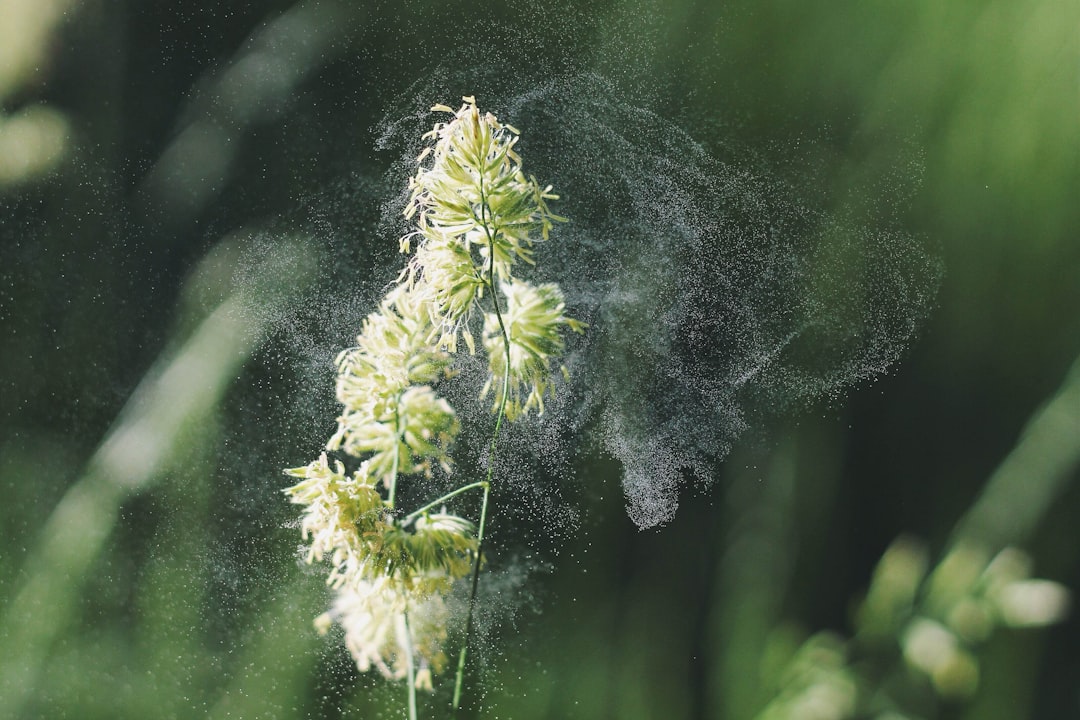
Photo by Alex Jones on Unsplash
Madagascar, Mozambique
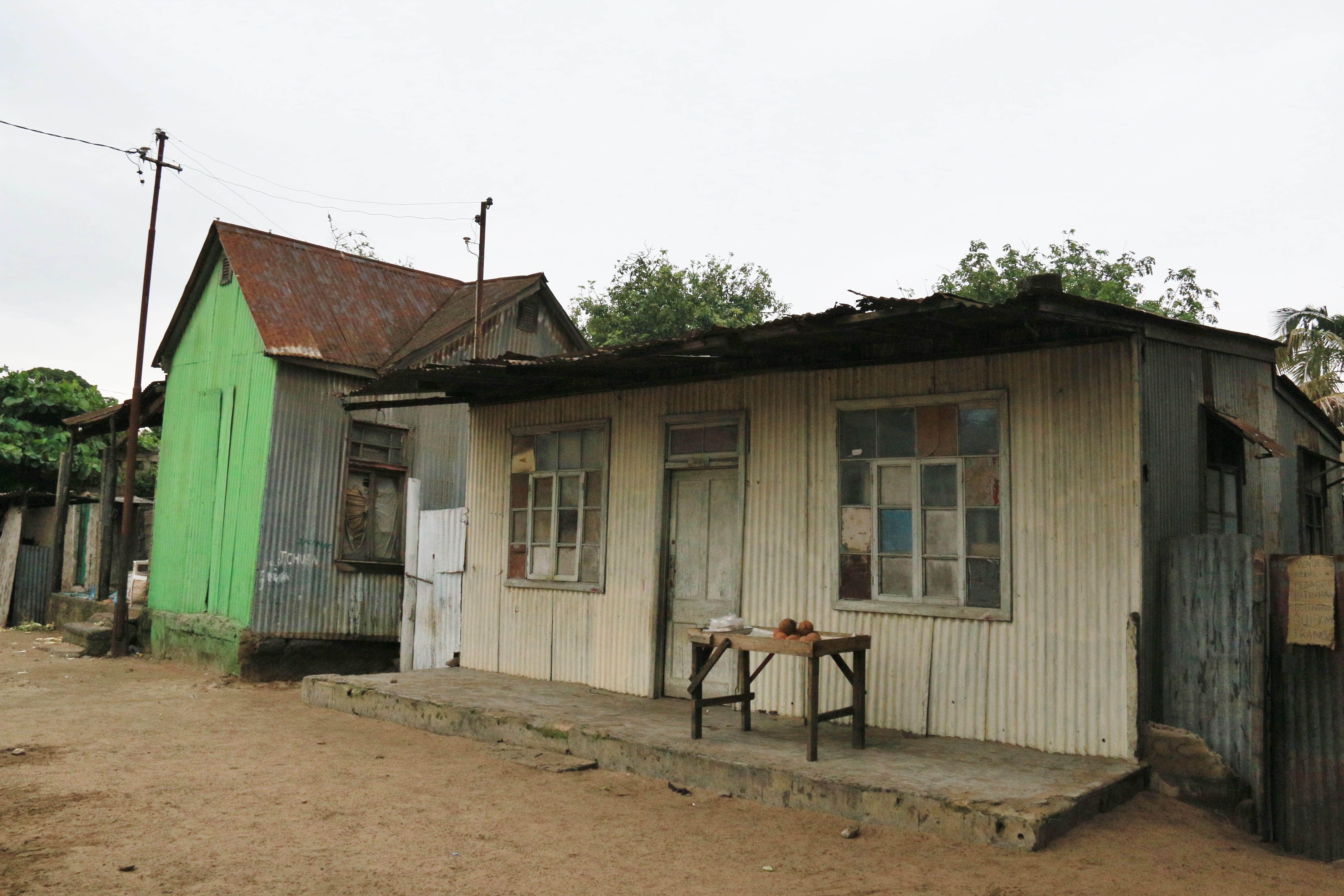
In Maputo’s informal settlements, poor housing can make extreme heat worse indoors — Researchers measured indoor temperature and humidity in five homes in Mafalala, a historic informal settlement in Mozambique’s capital, during both the cool season in July 2023 and the hot season in November 2023. Heat is already a growing health concern in Mozambique, where hot days and hot nights have become more common, and Maputo has recorded repeated heatwaves in recent decades. During one heatwave weekend, Maputo’s main hospital reported more than 950 admissions for heat-related disorders. In Mafalala, where homes are often built with concrete blocks, galvanized steel roofs, limited insulation, weak ventilation, and little space between buildings, outdoor heat can become even more dangerous inside. During the November hot spell, outdoor temperatures reached nearly 40°C, but several homes were even hotter indoors. Median indoor temperatures were above 30°C in nearly all monitored dwellings, more than a quarter of measurements exceeded 33°C in several homes, and one concrete-block dwelling reached 43.5°C. The home built entirely from galvanized steel sheets had the most extreme conditions, with more than a quarter of measurements above 39°C and indoor temperatures reaching 49°C on November 23 and 24.
How long and how intensely people were exposed came down largely to what their homes were built from. Concrete-block homes had more thermal stability than the steel-sheet home, but they still overheated because steel roofs, missing ceilings, poor insulation, enclosed courtyards, and limited ventilation kept heat inside. In November, indoor temperatures were often 4–8°C warmer than outdoors, while the steel-sheet home reached as much as 12°C above outdoor temperatures between morning and midday. Heat also persisted after sunset, when the body normally needs relief from daytime exposure. Most homes stayed 3–5°C warmer than outdoors at night, and residents experienced indoor discomfort for more than half of the monitoring period. During the hot-season campaign, indoor conditions exceeded acceptable comfort limits 50–80% of the time, strong or extreme heat stress occurred for more than one-third of the period, and the steel-sheet home reached extreme heat stress for 27% of the monitoring period. In that dwelling, heat stress was already severe early in the day, with physiological equivalent temperature reaching 35°C by 7 AM and exceeding 41°C by 8 AM. Those estimates may still understate the stress in the steel-sheet home because uninsulated metal walls and roofing can radiate additional heat indoors during the day, and the monitored homes had no artificial ventilation systems to help residents cool the space.
Hotter, drier seasons are making it harder for smallholder farmers in northeast Madagascar to keep food on the table — In the SAVA region, where many families rely on rain-fed agriculture, subsistence crops, and cash crops such as vanilla, cloves, coffee, and cocoa, researchers surveyed 479 farmers in two rural villages near Marojejy National Park about changing temperature, rainfall, food security, health, and farming practices. Nearly all participants said the past five years had become warmer and drier, with 94% reporting higher temperatures and 91% reporting less rainfall. Three quarters of respondents said natural water points had dried up, 75% had reduced outdoor work because of extreme heat, and 85% had reduced outdoor work because of extreme rain. For families who depend directly on farm labor and rain-fed crops, those shifts mean fewer workable days, less reliable water, more pressure on harvests, and a smaller buffer before a bad season becomes a food crisis. Food insecurity was already widespread, with 87% saying there had been times in the previous three years when their household did not have enough food. Most also expected conditions to get worse, with 57% expecting “much less food” and another 35% expecting “somewhat less food” for their families because of changing rainfall and temperature. Many also described changes around them that touch both food and health, including fewer wild plants and animals and more rodents and mosquitoes around villages and fields.
Many farmers knew conditions were changing, but far fewer had been able to change how they farm. Only 21% of participants reported adopting new practices to maintain or improve crop yields. Among those who had adapted, the most common changes were using organic fertilizer, mulching, and changing the cropping calendar. Much smaller shares reported fallowing, crop rotation, cover crops, agroforestry, mixed cropping, or growing crops in the off season. Other responses were about getting through shortages rather than making farms more resilient. Some farmers borrowed from others in their community, sold livestock, foraged, reduced the number of meals, or left home temporarily or permanently after crop losses or extreme weather. The farmers most likely to adapt were not simply the most experienced. Men had more than twice the odds of reporting a farming adaptation compared with women, and farmers who owned more durable goods also had higher odds of adapting. Farmers in Sarahandrano had much lower odds of adaptation than farmers in Mandena, where access to Marojejy National Park brings more opportunities for ecotourism and conservation-related income. For families already facing less rain, hotter workdays, dried water sources, crop damage, more mosquitoes, and shrinking food supplies, adaptation depends on having enough money, materials, information, and local opportunity to do something about it.
Peru, Bolivia
Climate change is threatening both the quantity and quality of freshwater resources in the Peruvian Highlands — The Andes mountain range contains approximately 99% of the world’s tropical glaciers, a unique class of high-elevation glaciers found near the equator that are highly sensitive to temperature fluctuations and El Niño-related climate variability. Of these, ~71% are located in Peru, where human-caused climate change is driving the retreat of these critical frozen freshwater resources, threatening both drinking water availability and ecosystem stability. Recent research indicates that between 1962 and 2018, Peru’s Cordillera Blanca, the largest tropical glacier range in the world, lost approximately 275 km² or 38% of its total glacier cover. Unlike their alpine counterparts, which are shaped by distinct seasonal freeze–thaw cycles, tropical glaciers experience year-round melt conditions, with accumulation depending largely on localized precipitation rather than extended winter snow storage. In the high Andes, these glaciers sit close to the atmospheric freezing level, thus even small increases in temperature can raise the rain–snow line. When precipitation falls as rain rather than snow, glacial mass declines, while the darkening of highly reflective snow cover reduces albedo, further accelerating ice melt. Widely recognized as a driver of future water scarcity, glacier retreat also poses a less-frequently discussed, but serious public health threat—by altering the chemistry of mountain watersheds and increasing the risk of heavy metal contamination in downstream water supplies. For thousands of years, glaciers in the Cordillera Blanca acted as a natural barrier, sealing sulfide-rich rocks from exposure to surrounding air and water. However, as climate change drives glacier retreat, these rocks are increasingly exposed to oxygen and precipitation, triggering oxidation reactions that generate sulfuric acid, a highly corrosive mineral acid. This process, known as acid rock drainage (ARD), produces acidic runoff capable of dissolving and mobilizing heavy metals such as arsenic, cadmium, lead, nickel, chromium, zinc, and manganese. These contaminants are then transported into glacier-fed rivers, lakes, and groundwater systems that supply drinking water to downstream communities—a process already occurring throughout the region. In 2023, researchers identified approximately 60 highly acidic alpine lakes in the Cordillera Blanca, while some glacier-fed rivers have recorded pH values as low as 3.5–3.8, comparable to vinegar. Government scientists have documented acid rock drainage (ARD) in multiple valleys, directly linking glacier retreat to declining water quality. As glaciers continue to shrink, the amount of exposed sulfide-bearing rock is expected to increase, potentially expanding both the scale and duration of contamination.
The health implications of this climate-driven heavy metal contamination are significant, particularly for families and communities that rely on untreated or minimally treated water supplies. According to the International Agency for Research on Cancer (IARC), arsenic, cadmium, nickel compounds, and hexavalent chromium are classified as known human carcinogens, and lead is classified as a probable human carcinogen. Chronic exposure through drinking water can result in the gradual accumulation of these metals in the body, where they contribute to oxidative stress, DNA damage, inflammation, and other biological processes associated with cancer development. Long-term exposure has been linked to increased risks of breast, kidney, stomach, skin, lung, and urinary tract cancers, as well as adverse reproductive outcomes, including increased risk of pre-term birth.
Water security concerns are already emerging in the region. Huaraz, the capital of Peru’s Áncash Region and home to approximately 150,000 people, has reportedly abandoned two watersheds previously used for drinking water due to unsafe levels of heavy metal concentrations. Scientists have also detected acid rock drainage (ARD) near Lake Palcacocha, an important freshwater source connected to the city’s water supply. For rural communities, the risks are often even more immediate. Many households depend directly on mountain streams for drinking water, cooking, irrigation, and livestock. As heavy metals move downstream, exposure can occur through multiple pathways, including contaminated water, crops, and animal products. Farmers have reported reduced crop yields where acidic runoff is used for irrigation, while livestock consuming contaminated water have experienced illness and mortality.
Climate change is emerging as a driver of violence against women and girls (VAWG) by intensifying the social and economic pressures that fuel gender-based harm — Intimate partner violence (IPV) is already one of the most widespread forms of violence against women worldwide, affecting an estimated 245 million women each year—nearly 10% of all women and girls aged 15 and older. More broadly, more than one billion women have experienced physical, sexual, or psychological violence in their lifetime—a statistic widely considered a gross underestimate due to persistent underreporting. Only about 40% of survivors tell someone they trust, and just 7% report abuse to formal services such as police or healthcare providers. A growing body of research shows that climate change increases the risk of VAWG by exacting additional strain on already vulnerable households and communities. An April 2025 UN report explores how climate-related shocks (including floods, droughts, forced migration, and food insecurity) can increase both the frequency and severity of gender-based violence, particularly in communities already facing poverty and limited access to resources. And rising temperatures add another layer of risk. Studies suggest that every 1°C (1.8°F) increase in global temperature is associated with a 4.7% rise in intimate partner violence (IPV), with projections estimating that nearly 40 million additional women and girls could experience IPV annually under 2°C (3.6°F) of warming by 2090. One explanation is the temperature-aggression theory, or heat hypothesis, which holds that exposure to extreme heat increases irritability, hostility, and aggressive behavior. Decades of research have linked higher temperatures to increased rates of interpersonal conflict, violent crime, road rage, and domestic abuse. Climate change impacts can also elevate violence through indirect methods by disrupting livelihoods, increasing financial insecurity, and weakening the social networks and support systems that help protect women. At the same time, climate-related disasters can damage critical infrastructure (including healthcare facilities, transportation systems, shelters, and communication networks) making it more difficult for survivors to access support services, report violence, or seek protection.
These dynamics are evident in Bolivia, where climate variability interacts with geography, livelihoods, and existing inequalities to increase risks for women and girls. Recent research found that in Bolivia’s tropical lowlands, an additional ten days of extreme cold (below 21°C) increases intimate partner violence (IPV) by 3.6%, while ten additional days of extreme heat (33°C or higher) increase IPV by 2.2%. Given that roughly one in four partnered women in Bolivia already experiences violence, these changes represent increases of approximately 16% and 10%, respectively.
The burden, however, is not shared equally. Women in rural farming communities and low-income urban households face the greatest risks in that their livelihoods are highly vulnerable to extreme climate events. In rural and Indigenous communities, cold surazos can destroy crops, reduce agricultural income, and deepen household financial stress. As economic pressures mount, women often become more financially dependent while rising alcohol consumption increase the risk of violence at home. In urban areas, extreme heat disproportionately affects poor women by disrupting informal employment, reducing household income, and increasing psychological stress within already strained living conditions.

We Would Love to Hear From You!
Have you noticed the impacts of climate change in your community? Whether it’s unusual weather patterns or disruptions in local ecosystems, we’d love to hear your thoughts. Share your experiences or observations in the comments below and join the conversation!
Your Feedback Matters
At Global Climate Dispatch, we strive to provide accurate and equitable coverage of climate change and its impacts. If you come across anything that seems inaccurate or concerning, please don’t hesitate to let us know. Your insights help us ensure that the information we share remains truthful, balanced, and relevant to all.
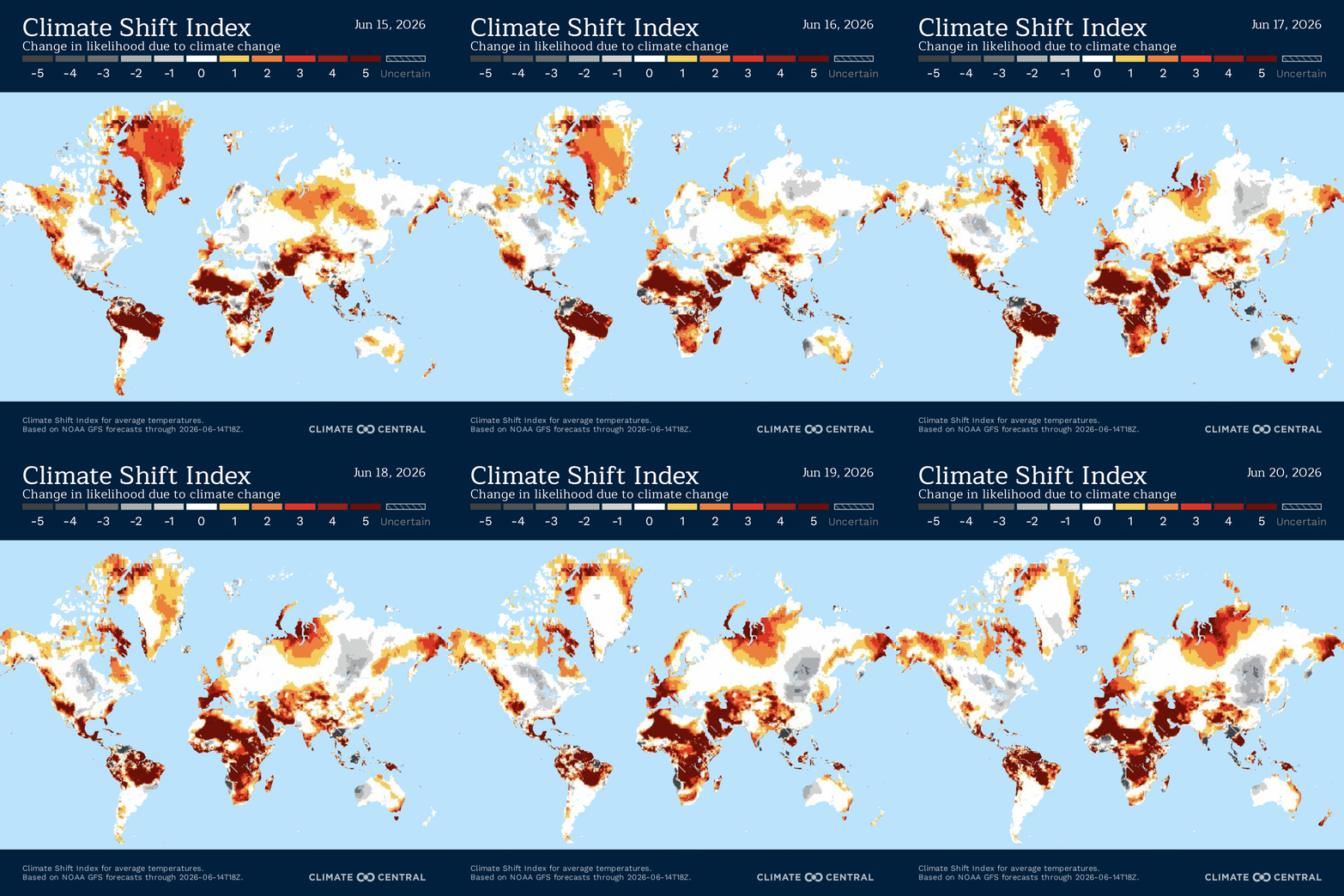
Locations featured are chosen based on data from Climate Central’s Climate Shift Index map. Some graphics used may also come from Climate Central’s Climate Shift Index map. Any original analyses contained in this blog or any views expressed in this blog, unless otherwise noted, are solely the expression of its authors and are unaffiliated with Climate Central or any other entity or person referenced within.
Too many humans are using/depleting too many natural resources and producing too much pollution, including GHGs, waste heat, and climate collapse. The greatest danger to human life facing us, and more importantly, our offspring, is global heating, as well described in Jeff Goodell's "It's The Heat That Will Kill You".